
Begin exploring antique furniture with a soban
If you want antique furniture but hesitate over size and placement, start with a small soban. A low top and simple legs draw attention without taking much space. This week we suggest ways to place soban in today’s homes.
What matters when choosing a soban as a first piece of antique furniture?
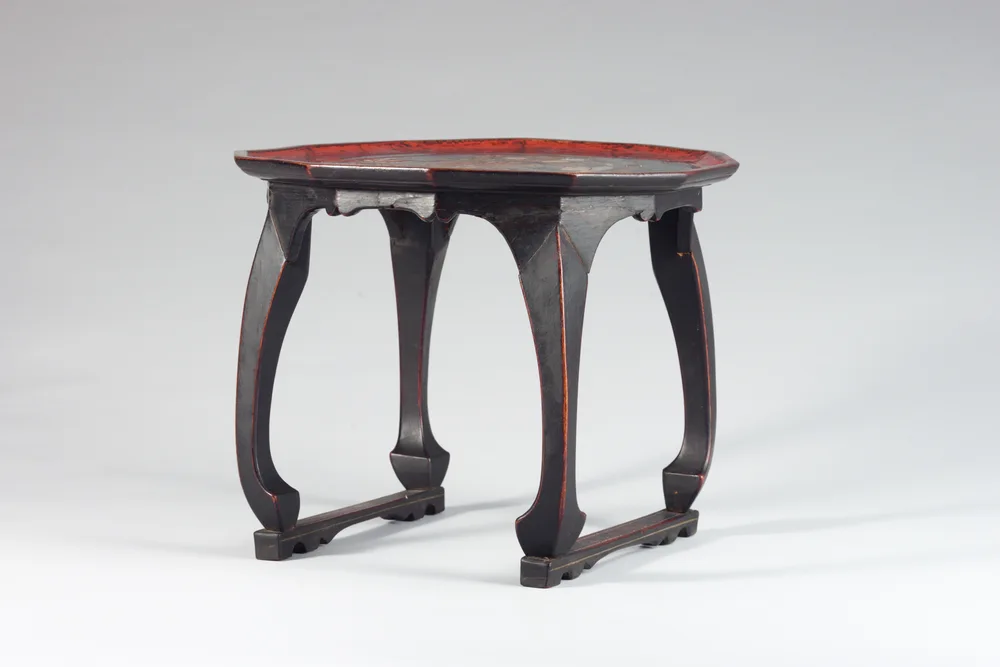
From the side, examine the soban’s top thickness and the height and spread of its legs. Check its intended place and reachable height, then look for wobbling, splits, and repairs to decide a use suited to your life.
- Compare tabletop thickness and the height and spread of legs from a soban's profile
- Check seated reach height and whether its condition permits practical use
When changing an interior, large furniture comes to mind first. Replacing a sofa or adding a cabinet takes money and difficult decisions. A small soban is an easier experiment. You can change one corner without reworking the whole home.
At Dapsimni Antique Market, you can browse soban, wooden vessels, and various traditional household objects. When choosing a soban, first look at its profile. The thickness of the top, height of the legs, and the way they spread all affect its character. A round top lends softness, while an angular top creates a more orderly feel.
First try a position beside the sofa. Many soban are low, so check that you can reach it comfortably while seated. If the height does not fit, use it to display a small object rather than hold drinks. Finding a place suited to its form comes before forcing a purpose.
Another option is a spot set back from a window, out of direct sunlight, or beside a low cabinet. A small ceramic piece on top creates a place for the eye to rest. If you want a plant there, use a separate saucer to keep water off the tabletop and ask the seller whether it can serve that purpose. One or two objects, rather than a crowded surface, let the soban's lines and wood grain show.
When buying, examine condition as carefully as color and shape. Check for wobbling on a level floor, cracks or warping in the top, and sound legs and joints. Ask the shop's permission before touching it or placing anything on it. Ask about repairs or repainting too. Even among soban tables, suitable use and care can vary with age and condition.
A worn-looking surface does not need immediate treatment. Before polishing or adding lacquer, establish the existing finish and its care requirements. Part of the pleasure of bringing an old object home is slowly getting to know its appearance.
One small soban does not require a whole home in traditional style. It can sit beside a bright wall, simple sofa, and familiar lamp. If it keeps catching your eye as you pass each day, you have chosen an object that suits your home.
Prepare photos and width and depth measurements of the intended spot, along with your desired use, before contacting a shop about a soban. Saying whether it is for display or daily use makes size and condition much easier to compare.